Free gift with 3 or 6-month subscription! ✦

Free Shipping on All Orders ✦

Free gift with 3 or 6-month subscription! ✦

Free Shipping on All Orders ✦

Free gift with 3 or 6-month subscription! ✦

Free Shipping on All Orders ✦

Free gift with 3 or 6-month subscription! ✦

Free Shipping on All Orders ✦

Not Getting Better? It Might Be Your Nervous System.

You’re doing everything right—eating clean, taking the right supplements, getting enough sleep—but your body still isn’t healing the way it should. The missing piece? Your nervous system.

Most people focus on physical health without realizing that true healing isn’t just about what you eat or which supplements you take. If your nervous system is constantly in fight-or-flight mode, your body will struggle to repair itself no matter how many things you do “right.” Chronic stress, past trauma, overstimulation, and even overtraining can keep your nervous system stuck in a dysregulated state. When that happens, healing takes a back seat because your body is too busy just trying to survive.

Are you living… or surviving?

Think of it like this—if your body thinks it’s in danger, its priority isn’t digestion, immune function, or cellular repair. It’s survival. That means stress hormones stay elevated, inflammation lingers, digestion slows, and your body can’t properly absorb nutrients or fight off infections. You might notice symptoms like bloating, fatigue, anxiety, brain fog, and recurring sickness. You may feel like your body is working against you when, in reality, it’s trying to protect you from a threat that no longer exists.

The key to unlocking healing is getting your nervous system out of this constant stress response and into a parasympathetic state—also known as rest and digest. When your body feels safe, it can finally do what it’s designed to do: repair, recover, and thrive.

How to regulate your nervous system:

Adaptogens like Rhodiola– Adaptogens help your body adapt to stress rather than being ruled by it. Adaptogens like Rhodiola, Ashwagandha, or Holy Basil work to balance cortisol, lower stress, and bring your nervous system back to a state of regulation. Unlike stimulants or sedatives, adaptogens don’t force your body into an artificial state—they help it naturally find balance. Chill Pills contains Rhodiola, an adaptogen that uplifts your body & lowers cortisol- your stress hormone.

Cold Exposure – Your vagus nerve plays a huge role in nervous system regulation, and one of the easiest ways to stimulate it is through cold exposure. Applying ice to the back of your neck or splashing cold water on your face can immediately shift you out of fight-or-flight and into a calmer state. Cold plunges or even short cold showers help build long-term resilience, training your nervous system to better handle stress over time. I personally LOVE to do this in the morning time. I wake up and grab an ice cube from the freezer, put it on my face and on the back of my neck. It depuffs you and calms you!

Meditation & Breathwork – Your breath is one of the fastest ways to tell your nervous system that you’re safe. When you take slow, deep belly breaths, you activate the parasympathetic nervous system, reducing stress hormones and lowering heart rate. Meditation, even for just a few minutes a day, helps train your brain to stay in the present moment instead of being in a constant state of hypervigilance. So… how do you do it? Well, I love listening to binaural or meditative beats on Youtube. You can start with a 5 minute guided meditation you find on Youtube and then work your way up from there!

Swimming or Floating – Water has a powerful calming effect on the nervous system. Being submerged in water, especially cool or cold water, stimulates the vagus nerve and helps regulate stress hormones. Floating in a pool, taking a bath, or even just spending time near water can have a deeply grounding effect. Water is so powerful- our bodies are entirely made up of water. Try to immerse yourself more in water and connect with yourself. I personally love to sit in a jacuzzi, or in the bath and just relax.

Daily Movement (Without Overtraining) – Movement is crucial for nervous system regulation, but the key is not overdoing it. High-intensity workouts can actually spike cortisol and keep your body in fight-or-flight if you’re already in a stressed state. Gentle movement like walking, yoga, and stretching helps discharge stored stress, allowing your nervous system to reset. Strength training and more intense workouts are great when balanced correctly, but if you’re feeling burned out, sometimes less is more. I love to do hot yoga, mat pilates, and reformer pilates. Walking is also calming- especially if you are listening to a podcast or your favorite music.

You’ve got this.

If you’ve been stuck in a cycle of burnout, chronic stress, or slow healing, focusing on your nervous system might be the missing piece. Healing isn’t just about what you put in your body—it’s about the signals you send to it every single day. When you prioritize nervous system regulation, everything else falls into place. Your digestion improves, inflammation goes down, and your body finally gets the chance to restore itself. Healing doesn’t happen when you’re running on empty. It happens when your body feels safe.

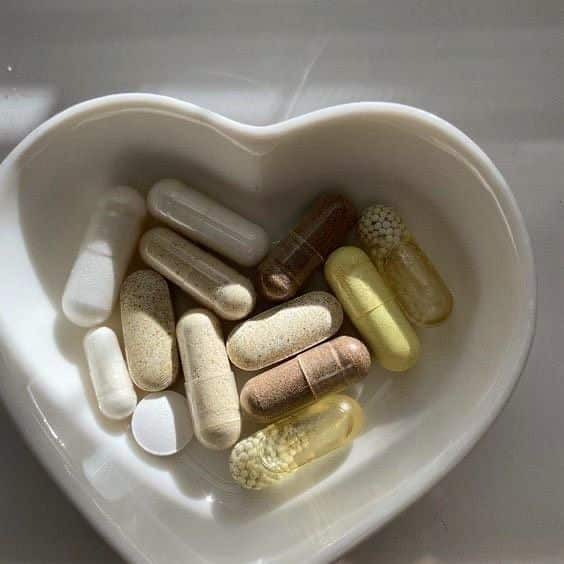
Ashwagandha & Thyroid Health: The Truth About Using Adaptogens for Hypo & Hyperthyroidism

So… What is Ashwagandha?

Ashwagandha (Withania somnifera) is an adaptogenic herb that helps the body regulate stress, balance hormones, and support overall endocrine function. It has been widely studied for its effects on the hypothalamic-pituitary-adrenal (HPA) axis and its ability to enhance thyroid function. However, while it can be beneficial for some thyroid conditions, it should not be used universally—especially in cases of hyperthyroidism (overactive thyroid).

Ashwagandha & Hypothyroidism: Can It Help? The Science: How Ashwagandha Affects Thyroid Hyormones:

Ashwagandha is one of the few herbs shown to directly stimulate thyroid hormone production. Studies indicate that it can increase levels of triiodothyronine (T3) and thyroxine (T4), which are essential for proper metabolic function. A 2018 double-blind, placebo-controlled study found that taking 600 mg of Ashwagandha daily for 8 weeks significantly improved TSH, T3, and T4 levels in individuals with subclinical hypothyroidism—a mild form of hypothyroidism where TSH is slightly elevated, but T3/T4 remain normal. Source: (Sharma et al., 2018)

Why It’s Beneficial for Hypothyroidism:

  • Stimulates thyroid hormone production → Increases T3 & T4 levels naturally.
  • Reduces cortisol → Chronic stress elevates cortisol, which suppresses thyroid function. Ashwagandha helps regulate this.
  • Supports energy & metabolism → Helps combat fatigue, which is common in hypothyroidism.

Can Ashwagandha Be Used for Clinical Hypothyroidism?

Yes, but as a support—not a replacement for thyroid medication (e.g., levothyroxine). Monitor thyroid levels regularly if using Ashwagandha with medication, as it may enhance hormone production and require dosage adjustments. It may be beneficial for Hashimoto’s (autoimmune hypothyroidism) in some cases, but should be used with caution, as it can stimulate immune activity.

Why Ashwagandha is NOT Recommended for Hyperthyroidism:

Hyperthyroidism is characterized by excess thyroid hormone production, often caused by Graves’ disease (an autoimmune disorder). Since Ashwagandha stimulates thyroid activity, it can make symptoms worse.

Potential Risks for Hyperthyroidism:

  • Can further elevate T3 & T4 → May worsen symptoms like rapid heartbeat, anxiety, and weight loss.
  • Can overstimulate the immune system → Potentially harmful for Graves’ disease.
  • May cause heart palpitations → Due to its metabolic-stimulating effects.

Because hyperthyroidism already leads to excess thyroid hormones, increasing them further can be dangerous. Therefore, Ashwagandha should NOT be used in hyperthyroidism. Source: (Bennett et al., 2016)

Rhodiola Rosea: A Different Adaptogen for Stress & Thyroid Balance

Rhodiola rosea is another powerful adaptogen that primarily supports stress resilience and adrenal function. Unlike Ashwagandha, Rhodiola does not directly stimulate thyroid hormone production, making it a safer option for a wider range of thyroid conditions.

When Rhodiola Can Be Used:

  • Hypothyroidism & Adrenal Fatigue → Helps combat fatigue, brain fog, and stress-related burnout.
  • Subclinical Hypothyroidism → Supports energy metabolism without directly increasing thyroid hormones.
  • Mild Stress-Induced Hyperthyroidism → May help regulate the stress response without overstimulating the thyroid.

When Rhodiola Should Be Used with Caution:

  • Severe Hyperthyroidism (Graves’ Disease) → Although it doesn’t directly increase thyroid hormones, it can increase energy and metabolism, which may worsen symptoms in some cases. It might be able to work with you, but be sure to ask your doctor before using it.

So… What’s A Better Alternative?

Chill Pills contain a blend of Rhodiola, L-Theanine, Magnesium, and Passionflower, all of which support stress management, nervous system health, and adrenal balance—without directly stimulating the thyroid.

Why They Can Be Beneficial for Thyroid Health:

L-Theanine boosts GABA levels, promoting relaxation and reducing anxiety, which is important for both hypothyroidism and hyperthyroidism. Magnesium supports nerve function and muscle relaxation, which can help with thyroid-related fatigue and stress. Passionflower calms the nervous system and supports sleep, which is crucial for thyroid balance. Rhodiola, when taken in moderate doses, supports energy levels without directly increasing thyroid hormone production.

Who Can Safely Use Chill Pills?

People with hypothyroidism can benefit from Chill Pills as they support stress resilience and nervous system balance. Those with mild hyperthyroidism, as long as it is not caused by Graves’ disease, may also find relief from stress-related symptoms, provided they do not experience overstimulation from Rhodiola. As always, space out ANY supplement from your Levothyroxine by at least 3 hours.

Who Should Be Cautious?

Individuals with severe hyperthyroidism, particularly those with Graves’ disease, should be cautious, as Rhodiola can be stimulating and may not be ideal for those with excessive thyroid hormone levels.

Medical Backing:

Adaptogens like Rhodiola and L-Theanine are clinically studied for their effects on stress reduction and nervous system regulation, making Chill Pills a science-backed solution for managing stress and thyroid-related fatigue. Source: Lopresti et al., 2019.

In Summary…

Ashwagandha can be beneficial for hypothyroidism, especially in subclinical cases, but should be used with caution in clinical hypothyroidism. It is not recommended for hyperthyroidism, as it can overstimulate thyroid hormone production. Rhodiola is a more neutral adaptogen that can support both hypothyroidism and mild hyperthyroidism but should be used cautiously in severe hyperthyroid cases. Thyroid medications like levothyroxine should always be spaced apart from any supplements, including adaptogens and minerals like magnesium, to avoid absorption issues.

Chill Pills can be a supportive option for thyroid-related stress and fatigue, provided there is no severe hyperthyroidism present! 🙂

Your Guide To Taking Magnesium: Types, How to Maximize Effectiveness, Medication Interactions

How to Properly Take Magnesium

Magnesium is a critical mineral involved in over 300 enzymatic processes in the body, including muscle function, nerve signaling, blood sugar regulation, and energy production. However, its absorption and effectiveness depend heavily on how and when you take it, what form you use, and what you pair it with.

Forms of Magnesium

Magnesium comes in various forms, and each has unique benefits and absorption rates:

  • Magnesium Glycinate:
    • Best for: Sleep, anxiety, relaxation, muscle recovery.
    • Absorption: Highly bioavailable and gentle on the stomach.
    • Doesn’t typically cause digestive upset, making it great for daily use.
  • Magnesium Citrate:
    • Best for: Constipation and general magnesium supplementation.
    • Absorption: Very bioavailable but may cause diarrhea in higher doses.
    • Avoid if you don’t need its laxative effects.
  • Magnesium Oxide:
    • Best for: Temporary constipation relief.
    • Absorption: Poorly absorbed; most stays in the gut, which is why it helps with constipation.
    • Not ideal for raising magnesium levels systemically. I definitely do not recommend this type of Magnesium because it really has poor absorption.
  • Magnesium Malate:
    • Best for: Energy production and muscle function.
    • Absorption: Well-absorbed and less likely to cause digestive upset.
    • Key Note: Often recommended for chronic fatigue or fibromyalgia.
  • Magnesium Threonate:
    • Best for: Brain health and cognitive function.
    • Absorption: Crosses the blood-brain barrier effectively.
    • Ideal for memory, focus, and nervous system support.
  • Magnesium Chloride:
    • Best for: Topical use or general supplementation.
    • This is the type used transdermally in Magnesium sprays. I am a huge fan of Magnesium sprays because they have amazing absorption and the Magnesium is delivered in your bloodstream.
  • Magnesium Taurate:
    • Best for: Heart health and blood pressure regulation.
    • Absorption: Well-absorbed and supports cardiovascular function.

Timing Magnesium for Maximum Effectiveness

Timing your magnesium intake can make a big difference depending on your health goals:

  • Evening (for sleep and relaxation):
    • Magnesium glycinate or citrate is ideal in the evening due to its calming effects on the nervous system.
    • Helps with the production of GABA, a neurotransmitter that promotes relaxation and sleep.
  • Morning (for energy and muscle support):
    • I typically recommend Magnesium to be taken at night. However, you can use Magnesium malate or magnesium threonate can be taken in the morning to support energy production and brain function.
    • Avoid glycinate in the morning if it makes you too relaxed or drowsy.
    • Magnesium Glycinate 200 mg or less is okay to use in the day time.

What about Magnesium Bisglycinate?

Magnesium Bisglycinate is one of the most well-tolerated and highly absorbable forms of magnesium, making it an excellent choice for those looking to support stress, mood, and relaxation.

  • Unlike some other magnesium forms, which can cause digestive discomfort or have a laxative effect in higher doses, Magnesium Bisglycinate is gentle on the stomach and efficiently utilized by the body.
  • Magnesium plays a key role in regulating cortisol (the body’s primary stress hormone), muscle tension, and neurotransmitter activity. It helps support GABA production, which is the brain’s calming neurotransmitter, allowing you to feel more at ease without feeling sedated.

  • This makes it particularly helpful for managing daily stress, reducing anxious feelings, and supporting an overall sense of well-being.

  • A dose of 100 mg is also well within the optimal daily range for magnesium intake, meaning it can complement dietary sources of magnesium without overloading the system.
    • Since most adults are already deficient in magnesium due to modern diets and stress depleting magnesium levels, this amount provides an easy way to replenish what the body needs without worrying about excessive supplementation.

Chill Pills’ balanced dose of 100 mg of Magnesium Bisglycinate is designed for daily, anytime support, whether you’re looking to ease tension, stay calm under pressure, or simply help your body function at its best.

Common Medication Interactions:

1. Antibiotics

Magnesium can interfere with the absorption of several types of antibiotics, particularly tetracyclines and quinolones, by forming insoluble complexes in the gut.

  • Tetracyclines (used for bacterial infections like acne or respiratory infections):
    • Generic: Tetracycline, Doxycycline, Minocycline.
    • Brand Names: Sumycin (Tetracycline), Vibramycin (Doxycycline), Minocin (Minocycline).
    • Reduced antibiotic absorption, lowering effectiveness.
    • Take antibiotics at least 2 hours before or 4–6 hours after magnesium supplements.
  • Quinolones (used for urinary tract infections, respiratory infections, etc.):
    • Generic: Ciprofloxacin, Levofloxacin, Moxifloxacin.
    • Brand Names: Cipro (Ciprofloxacin), Levaquin (Levofloxacin), Avelox (Moxifloxacin).
    • Magnesium binds to quinolones, decreasing their bioavailability by up to 50%.
    • Separate doses by at least 2 hours before or 6 hours after magnesium.

2. Thyroid Medications

Thyroid hormone replacement therapies are particularly sensitive to magnesium and other minerals that can block their absorption.

  • Levothyroxine (used for hypothyroidism):
    • Generic: Levothyroxine.
    • Brand Names: Synthroid, Levoxyl, Euthyrox, Tirosint.
    • Magnesium binds to levothyroxine in the gut, reducing its absorption and potentially leading to inadequate thyroid hormone levels.
    • Take levothyroxine on an empty stomach, ideally 30–60 minutes before breakfast. Wait at least 4 hours before taking magnesium.
  • Liothyronine (used for hypothyroidism or in combination with levothyroxine):
    • Generic: Liothyronine.
    • Brand Name: Cytomel.
    • Similar to levothyroxine, absorption is reduced when taken too close to magnesium.
    • Follow the same timing guidelines—30–60 minutes before food and separate from magnesium by 4 hours.

3. Osteoporosis Medications

Magnesium interacts with bisphosphonates, a common class of drugs prescribed to strengthen bones, by forming complexes that decrease their absorption.

  • Bisphosphonates (used for osteoporosis and bone conditions):
    • Generic: Alendronate, Risedronate, Ibandronate.
    • Brand Names: Fosamax (Alendronate), Actonel (Risedronate), Boniva (Ibandronate).
    • Magnesium can significantly reduce the absorption of these medications, which are already poorly absorbed.
    • Take bisphosphonates on an empty stomach with a full glass of water first thing in the morning, at least 2 hours before any magnesium supplement.

Magnesium is often called “the relaxation mineral” for a reason—it plays a vital role in calming the nervous system, regulating stress hormones, and supporting overall mental and physical well-being. Every time we experience stress, our body burns through magnesium reserves, which can lead to tension, restlessness, poor sleep, and even heightened anxiety. In fact, magnesium deficiency is one of the most overlooked causes of stress-related symptoms, yet it’s something most people don’t realize they’re lacking.

While there are many forms of magnesium, Magnesium Bisglycinate is one of the most effective and well-tolerated—and that’s exactly why it’s included in Chill Pills.  Each serving of Chill Pills contains 100 mg of Magnesium Bisglycinate, a dose that’s just enough to promote relaxation, ease stress, and support a stable mood throughout the day—without causing drowsiness. This makes it perfect for those who want the stress-relief benefits of magnesium but still need to stay alert, focused, and productive.

Magnesium is more than just another supplement—it’s a foundational mineral that supports nearly every system in the body. From calming the nervous system and regulating cortisol to supporting deep sleep, muscle function, and balanced energy levels, it’s one of the most important nutrients for both physical and mental well-being.

Is Drinking Coffee on an Empty Stomach Killing Your GLP-1 Hormone Levels?

Drinking coffee first thing in the morning on an empty stomach has become a hot topic in the wellness world. While coffee offers many health benefits, its timing and interaction with your hormones, especially GLP-1 and blood sugar, can have significant implications. Here’s why it matters and how you can optimize your routine.

The Role of GLP-1 in Blood Sugar and Hunger Regulation

GLP-1 (glucagon-like peptide-1) is an incretin hormone produced in the gut that plays a crucial role in promoting satiety by signaling to the brain that you’re full, slowing gastric emptying to regulate how quickly food leaves the stomach, and stimulating insulin release while suppressing glucagon secretion to stabilize blood sugar levels.

GLP-1 is released primarily in response to nutrient intake, especially after meals. The presence of food, particularly proteins and complex carbohydrates, triggers its secretion, helping regulate appetite and blood sugar levels throughout the day.

Impact of Coffee on an Empty Stomach

Drinking coffee on an empty stomach stimulates the release of cortisol, the stress hormone. While cortisol naturally peaks in the morning to help you wake up, coffee can cause an additional spike. Elevated cortisol levels suppress GLP-1 secretion, as stress hormones prioritize the body’s “fight or flight” mechanisms over digestion and hormone regulation. Chronic cortisol elevation can also contribute to insulin resistance, making it harder to maintain stable blood sugar levels over time.

On an empty stomach, coffee can cause a transient rise in blood glucose due to its impact on cortisol and adrenaline. This often results in a temporary insulin spike, followed by a blood sugar crash later in the day. Without food to stabilize blood sugar levels, this can create a rollercoaster effect of energy highs and lows, often leading to cravings for sugar or quick carbs.

For individuals with metabolic issues like insulin resistance, PCOS, or prediabetes, this effect is more pronounced, as the body struggles to regulate glucose effectively without nutrient support.

Without food, coffee does not trigger GLP-1 release. Instead, it primarily stimulates the central nervous system and adrenal glands. While coffee contains polyphenols that can support gut health and metabolism, these benefits are minimized when consumed without food, as there’s no significant trigger for GLP-1.

Long-Term Consequences of Coffee on an Empty Stomach

Without the GLP-1-triggering effects of a balanced breakfast, you may find yourself hungrier later in the day, leading to overeating or poor food choices. Repeated cortisol spikes from drinking coffee on an empty stomach can also contribute to insulin resistance, particularly in individuals with pre-existing metabolic conditions. A combination of suppressed GLP-1, elevated cortisol, and poor blood sugar regulation can lead to increased cravings, making weight management more challenging.

What to Consume in the AM to Help Your Gut Secrete GLP-1

To support GLP-1 production, regulate blood sugar, and reduce cortisol spikes, consider these alternatives first thing in the morning:

1. Nutrient-dense meals that include proteins and complex carbohydrates are the primary drivers of GLP-1 release. Proteins like eggs, lean meats, or plant-based options such as tofu and legumes directly stimulate GLP-1 production by signaling the gut to release this incretin hormone.

    2. Dietary fiber from whole grains, vegetables, and fruits also plays a critical role, as it slows digestion and enhances the gut’s ability to secrete GLP-1. Additionally, healthy fats like those found in avocados, nuts, and olive oil can support GLP-1 by prolonging gastric emptying and amplifying satiety signals.

    3. Certain fermented foods like yogurt or kimchi may further enhance GLP-1 production by supporting a healthy gut microbiome. You may even use 1 tablespoon of pickle juice- the acetic acid helps your gut produce more GLP-1.

    4. Another option is consuming a light protein source, like a collagen peptide drink or a small protein shake, before coffee. Protein triggers GLP-1 secretion directly and stabilizes blood sugar, minimizing cortisol and adrenaline spikes caused by coffee. This is what I really recommend. I personally love the Kroma protein packets!

    5. Apple cider vinegar (ACV) in water is another alternative. ACV contains acetic acid, which slows gastric emptying and improves insulin sensitivity, helping regulate blood sugar. While it doesn’t directly boost GLP-1, its blood sugar-stabilizing effects create a better hormonal environment overall.

    6. Green tea is another excellent choice. It contains L-theanine, which balances the stimulating effects of caffeine, and has (very) mild GLP-1-enhancing effects through its polyphenol content. Green tea provides metabolic benefits and promotes gut health without the cortisol spike of coffee.

    Best Practices for Coffee Consumption

    To optimize coffee’s benefits and reduce its negative impact, drink it AFTER food.

    • Consuming coffee after a meal, especially one high in protein and healthy fats, prevents cortisol spikes and promotes GLP-1 release.
    • For example, pair your coffee with eggs and avocado or a smoothie containing protein powder, greens, and healthy fats.

    Another best practice is to time your coffee later in the morning.

    • Wait at least 60 to 90 minutes after waking to allow your cortisol levels to naturally decline before introducing caffeine.
    • You can also add ingredients to your coffee to support GLP-1. Consider adding cinnamon, which helps regulate blood sugar, or a small amount of fat like MCT oil to reduce coffee’s glycemic impact.

    Finally, focus on hydration first. Start the morning with water & electrolytes to rehydrate your body and prepare your gut for digestion.

    By making small changes to how and when you consume coffee, you can protect your GLP-1 hormone levels, regulate blood sugar, and support overall hormonal balance. These simple tweaks could have a big impact on your energy, appetite, and long-term health.

    How To (Actually) Improve Your Metabolism!

    Your metabolism is more than just how many calories you burn. It affects how efficiently your body converts food into energy, regulates hormones, builds muscle, and maintains overall health. If you feel tired, gain weight easily, or struggle with digestion, it’s time to give your metabolism a reset. Here are practical tips to enhance your metabolism with actionable steps and science-backed solutions.

    1. Prioritize Thyroid Health

    Your thyroid is the master regulator of your metabolism. If it’s not functioning well, your metabolic rate will slow down. Most people only get a TSH test, but that’s not enough.

    What to test:

    • Free T3 and Free T4 (active thyroid hormones)
    • Reverse T3 (which can block your metabolism)
    • Thyroid antibodies (to check for autoimmune issues like Hashimoto’s)

    What to do:

    • Include iodine-rich foods like seaweed, shrimp, and iodized salt in a well balanced diet.
    • Eat 1-2 Brazil Nuts daily for healthy selenium intake (Do not eat more than this).
    • Consider reducing processed foods and gluten if you suspect autoimmune issues.

    2. Improve Insulin Sensitivity

    Poor insulin sensitivity leads to fat storage and slows down your calorie burn. Supporting your body’s ability to handle blood sugar efficiently will help your metabolism.

    What to do:

    • Focus on low-glycemic foods like leafy greens, avocados, nuts, and seeds.
    • Add Myo-Inositol or Berberine to your daily routine. Both help improve insulin sensitivity and stabilize blood sugar levels. Berberine should be avoided by pregnant or breastfeeding women, people taking medications for diabetes or blood pressure, those on blood thinners, and individuals with liver conditions.
    • Go for a short walk after meals to reduce blood sugar spikes.
    • My go-to Berberine supplement: Click Here

    3. Eat Protein First

    Protein has a thermogenic effect, meaning your body burns more calories digesting it compared to carbs or fats. It also keeps you fuller for longer and helps maintain muscle mass.

    What to do:

    • Aim for 25-30 grams of protein at each meal. This could be eggs, Greek yogurt, chicken, fish, or plant-based protein sources.
    • Prioritize protein at breakfast to kickstart your metabolism for the day.
    • If you’re on the go, consider a protein shake or bar.

    4. Support Mitochondrial Health

    Mitochondria are the energy powerhouses in your cells. If they’re not functioning well, your energy levels drop and your metabolism slows down.

    What to do:

    • Eat foods rich in Urolithin A, which supports mitochondrial repair. Pomegranates, berries, walnuts, and pecans are great choices.
    • Try intermittent fasting to stimulate mitochondrial biogenesis (the creation of new mitochondria).

    5. Get Moving Throughout the Day

    Daily movement outside of structured exercise is one of the best ways to increase calorie burn. This is known as Non-Exercise Activity Thermogenesis (NEAT).

    What to do:

    • Aim for 8,000-10,000 steps a day. Break it up into short walks if needed.
    • Take movement breaks every hour if you have a desk job.
    • Incorporate short bursts of activity into your day — even five minutes of walking or stretching adds up.

    6. Activate Brown Fat

    Brown fat is a type of fat tissue that burns calories to generate heat. Activating it can help increase your overall metabolic rate.

    What to do:

    • Try cold exposure, such as ice baths or cold showers for one to two minutes.
    • Add spicy foods like chili peppers to your diet. Capsaicin, the compound that makes peppers spicy, can stimulate brown fat.
    • Green tea extract (EGCG) is another natural activator of brown fat.

    7. Lower Stress and Prioritize Sleep

    High cortisol levels from chronic stress can slow your metabolism by encouraging fat storage and breaking down muscle tissue.

    What to do:

    • Focus on getting seven to nine hours of quality sleep each night.
    • Manage stress through mindfulness practices, meditation, or journaling.
    • Use adaptogenic herbs like Rhodiola, Ashwagandha, or Holy Basil to support your body’s response to stress.

    8. Hydrate and Replenish Electrolytes

    Dehydration slows down your metabolism. Your body needs water and electrolytes to efficiently burn calories and maintain energy levels.

    What to do:

    • Start your day with a glass of water and electrolytes before consuming coffee.
    • Aim to drink half your body weight in ounces of water each day.
    • Avoid sugary drinks that can spike insulin levels and slow your metabolism.

    9. Stimulate GLP-1 Naturally

    GLP-1 is a hormone that slows digestion, reduces appetite, and improves insulin sensitivity. It’s the same hormone targeted by medications like Ozempic.

    What to do:

    • Eat bitter foods like dandelion greens and grapefruit to stimulate GLP-1 production.
    • Try pickle juice or apple cider vinegar before meals to reduce blood sugar spikes and enhance GLP-1.
    • Eat slowly and mindfully to give your body time to release GLP-1 naturally.

    🎧 Want a deeper dive on wellness tips like these + life advice? Tap here to listen to my podcast!

    Increase GLP-1 Naturally

    GLP-1 (glucagon-like peptide-1) is a powerful hormone that helps regulate blood sugar, slow gastric emptying, and increase feelings of fullness. It’s the same hormone activated by medications like Ozempic. The good news is you can boost your body’s natural production of GLP-1 through specific foods, supplements, and lifestyle changes.

    Here’s exactly how to do it:

    1. Pickle Juice: I know it sounds weird, but it works.

    Pickle juice, specifically the kind made with vinegar and free of preservatives, may activate acetylcholine receptors in your gut-brain axis. This stimulation can potentially increase GLP-1 secretion from L-cells in the intestines. Additionally, vinegar has been shown to slow gastric emptying and improve insulin sensitivity, both of which contribute to better blood sugar control and appetite regulation.

    Product Recommendations:
    Look for clean pickle brands that use natural vinegar without preservatives. Here are a few options:

    • Grillo’s Pickles (available at most grocery stores)
    • Olive My Pickle (fermented, probiotic-rich option)
    • Wildbrine (fermented pickles with clean ingredients)

    How to Use:

    • Dosage: Sip 1 tablespoon of pickle juice before your largest meal of the day- or whenever you are craving sugar heavy or carb heavy meals.
    • Alternatives: If pickle juice isn’t your thing, try:
      • 1 tablespoon of lemon juice in water
      • 1 tablespoon of apple cider vinegar in wateruse, Chill Pills helps you build a steady calm, bringing out the best version of yourself over time.*

    Who Should Avoid This:

    • Individuals with acid reflux, GERD, or stomach ulcers, as vinegar can irritate the stomach lining.
    • Those taking diuretics or blood sugar-lowering medications, as vinegar may interfere with these
      medications.
    • People with low potassium levels, as excessive vinegar consumption can reduce potassium levels further.

    2. Eat More Arugula: The Bitter Leaf That Boosts GLP-1

    Arugula contains bitter compounds that activate TAS2 receptors (bitter taste receptors) in your mouth and gut. These receptors trigger the release of GLP-1 from your intestines, slow gastric emptying, and improve insulin sensitivity.

    Where to Buy:

    Arugula is widely available at health food stores, farmers’ markets, and even most grocery stores. Organic options are preferred to avoid pesticide exposure.

    How to Use:

    • Serving Size: Aim for 1-2 cups of arugula about 3x a week. It’s a great idea to incorporate it in your weekly
      eating routine.
    • Recipe Ideas:
      • Toss arugula into salads with olive oil and lemon juice.
      • Add arugula to smoothies for a bitter, nutrient-packed kick.
      • Use arugula as a pizza topping or in sandwiches.

    Who Should Avoid This:

    • Individuals with IBS or other gut sensitivities may need to limit intake of arugula and other bitter greens, as
      they can cause digestive discomfort in some people.
    • Those on blood thinners should consume arugula in moderation, as it contains vitamin K, which can affect
      blood clotting.

    3. Berberine Supplement: A Powerful Natural GLP-1 Enhancer

    Berberine is a plant compound that activates AMPK (adenosine monophosphate-activated protein kinase), a cellular energy regulator. Activating AMPK improves insulin sensitivity and increases GLP-1 secretion. Multiple studies show that berberine can double GLP-1 secretion in individuals looking to optimize their metabolic health.

    Product Recommendation:

    • Fleur Wellness Berberine (shop here) -this is the same one I use daily.
      • Dosage: Take 500 mg daily, ideally before your largest meal.

    When to Expect Results:

    • Short-Term: Some people notice improved digestion and reduced appetite within a few days.
    • Long-Term: Blood sugar regulation and weight management benefits may take 4-8 weeks of consistent use.

    Who Should Avoid This:

    • Pregnant or breastfeeding individuals
    • Those on blood sugar-lowering medications, as berberine can enhance their effects and cause dangerously low blood sugar levels.
    • Individuals on anticoagulant medications, as berberine can increase the risk of bleeding.
    • People with low blood pressure, as berberine may lower blood pressure further.

    Important: Always consult with a healthcare provider before starting any new supplement, especially if you are on medications or have existing health conditions.

    Additional Tips for Boosting GLP-1 Naturally

    1. Stay Hydrated

    • Proper hydration supports metabolic health and overall gut function.
    • Water Intake Recommendations:
      • Women: 2.7 liters/day (about 11 cups)
      • Men: 3.7 liters/day (about 15.5 cups)

    Start your day with a glass of water and sip throughout the day to keep your body hydrated! I usually do a glass of water with electrolytes mixed in to rehydrate my body after waking up.

    2. Daily Movement: Hit Your Steps

    • Walking after meals can improve insulin sensitivity and aid digestion.
    • Step Goal:
      • Aim for 7,000-10,000 steps daily. I try to do around 12-13k. Even a 10-minute walk after a meal can have a significant impact on blood sugar regulation!

    3. Prioritize Fiber-Rich Foods

    • Fiber slows gastric emptying, supports gut health, and enhances GLP-1 secretion.
    • Foods to Add:
      • Oats
      • Lentils
      • Berries
      • Chia seeds

    Who Should Avoid High Fiber Intake:

    • People with gut disorders like IBS may need to limit certain high-fiber foods to avoid digestive discomfort.

    As always- let me know if you ever have any questions. Happy to help!